Retro Groovy Blue 4 Digital Paper: A Practical Guide to Workflow Integration
In the modern digital marketplace, visual consistency and aesthetic appeal are not merely decorative elements; they are functional components of brand identity and user experience. For creators, entrepreneurs, and designers, sourcing high-quality assets that can be seamlessly integrated into various production pipelines is a critical step in maintaining efficiency. This is where specialized assets like Retro Groovy Blue 4 Digital Paper become essential tools rather than just passive images. This specific digital paper offers a versatile foundation for projects ranging from physical merchandise to digital marketing materials, bridging the gap between creative vision and technical execution.
Understanding how to leverage this asset requires looking beyond its visual appeal. It involves analyzing file specifications, compatibility with different software environments, and the logistical implications of using it across multiple product lines. By treating Retro Groovy Blue 4 as a core component of your design workflow, you can streamline operations, reduce repetitive tasks, and ensure a cohesive look across all touchpoints of your business or personal brand.
Technical Specifications and File Integrity
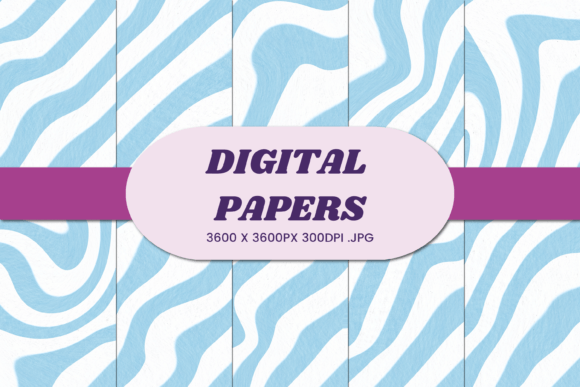
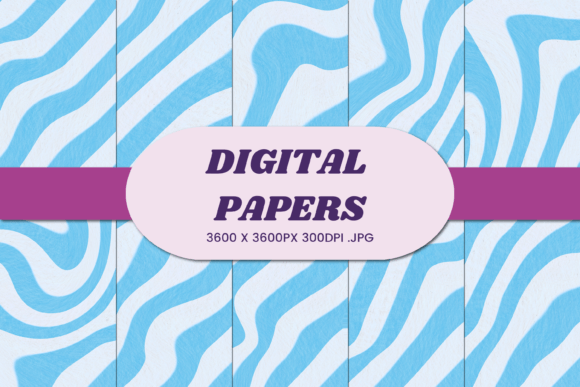
Before integrating any digital asset into a professional workflow, verifying its technical parameters is the first practical step. The Retro Groovy Blue 4 Digital Paper comes packaged with ten distinct JPG files, each sized at 3600×3600 pixels. This dimension corresponds to a 12x12 inch square at a resolution of 300 DPI (dots per inch). These specifications are not arbitrary; they are industry standards for high-quality print production.
The 300 DPI resolution ensures that when these patterns are scaled down for smaller items like business cards or phone cases, the image remains crisp without pixelation. Conversely, when used for larger formats such as throw pillows or wall wallpapers, the high pixel count provides sufficient detail to maintain visual integrity. For professionals working in Adobe Photoshop, Illustrator, or CorelDRAW, this resolution allows for significant cropping and resizing without compromising quality, offering flexibility during the layout phase.
The inclusion of ten variations within the package is a strategic advantage for workflow management. Instead of searching for matching textures for different products, a creator has a unified library ready for immediate use. This reduces decision fatigue and accelerates the prototyping phase. When organizing these files, it is advisable to sort them by hue intensity or pattern density, creating a structured folder system that mirrors your product catalog. This organizational habit pays dividends when managing large-scale orders or seasonal collections.
Integration into Physical Product Manufacturing
One of the most tangible applications of Retro Groovy Blue 4 Digital Paper is in the realm of Print-on-Demand (POD) and direct-to-garment printing. For small business owners and hobbyists alike, the ability to apply a consistent theme across diverse merchandise is key to building a recognizable brand. The sublimation capabilities of this digital paper make it particularly suitable for polyester-based fabrics and coated surfaces.
Apparel and Soft Goods
When designing T-shirts, blankets, or pillows, the retro blue aesthetic provides a calming yet vibrant backdrop that appeals to a broad demographic aged 20–50. To implement this effectively, designers should consider how the pattern repeats on curved surfaces. Since the file is a seamless tile, testing the repeat function in your design software before sending the file to the printer is crucial. This pre-flight check prevents awkward cuts in the pattern at the seams of a t-shirt sleeve or the edge of a pillowcase.
For fabric printing, color management is vital. RGB values on a screen do not always translate perfectly to CMYK ink profiles. While Retro Groovy Blue 4 is provided as JPGs, which are typically RGB, converting them to CMYK for print preparation ensures that the blues remain rich and true, avoiding the muddy tones that can occur with improper color profiling. This step is part of a broader quality control process that separates amateur outputs from professional-grade merchandise.
Packaging and Branding Materials
Beyond apparel, this digital paper serves as an excellent texture for product packaging. Imagine a box for handmade candles or artisanal soaps wrapped in a subtle, textured blue pattern. The 12x12 inch size is ideal for creating custom box templates or wrapping paper designs. When used for business cards or invitations, the high resolution ensures that fine details in the retro pattern are visible even upon close inspection, adding a tactile sense of luxury to standard paper goods.
Incorporating this asset into packaging also aids in unboxing experiences. Customers often document their purchases on social media; a visually striking, cohesive package increases the likelihood of user-generated content. By providing a branded background that looks professional and intentional, you enhance the perceived value of your product before it is even opened.
Digital Applications and Social Media Strategy
The utility of Retro Groovy Blue 4 extends well beyond physical goods. In the digital sphere, where attention spans are short and competition is fierce, unique backgrounds can significantly boost engagement. For bloggers, educators, and marketers, having a library of high-resolution textures allows for rapid creation of eye-catching graphics.
Social Media Content Creation
Social media platforms thrive on visual variety. Using Retro Groovy Blue 4 as a background for quote graphics, announcement posts, or promotional banners creates a consistent visual language across Instagram, Pinterest, and Facebook feeds. Because the files are high-resolution, they perform well on high-density displays like Retina screens. Creators can overlay text, logos, or product photos onto these backgrounds, knowing that the underlying texture will not degrade.
For educators and presenters, these textures can be used in slide decks or digital handouts to break up white space and add visual interest without distracting from the core content. The retro style evokes a sense of nostalgia and creativity, which can resonate emotionally with audiences, making educational material more memorable.
Digital Products and Templates
If you sell digital downloads, such as planners, journals, or printable art, Retro Groovy Blue 4 can serve as a primary design element. Interior pages of workbooks benefit from textured backgrounds that provide contrast for text. Similarly, e-book covers can utilize these patterns to stand out in online marketplaces. The versatility of the ten included files allows for the creation of entire series—perhaps one file for a "Morning Routine" planner and another for a "Financial Goals" tracker—while maintaining brand cohesion.
Advanced Techniques: 3D Wrapping and Sublimation
For those venturing into more complex manufacturing techniques, such as 3D sublimation tumblers or mugs, the application of digital papers requires a different approach. Standard flat designs must be distorted to fit cylindrical surfaces. Tools like Canva, Photoshop, or specialized wrap-making software allow users to map the Retro Groovy Blue 4 pattern onto a 3D template.
The key here is understanding distortion. A flat pattern may look perfect on a screen but appear stretched or compressed on a curved mug. By utilizing warp tools and mesh editing, designers can adjust the perspective so that the retro grooves align naturally with the curvature of the object. This level of detail demonstrates professionalism and care, qualities that customers associate with premium products.
Furthermore, when preparing files for 3D wraps, consider the seam placement. Ensuring that the pattern’s focal points do not land awkwardly near the handle or base of a tumbler enhances the final aesthetic. This meticulous attention to alignment is what transforms a simple printed item into a piece of functional art.
Workflow Optimization and Best Practices
To maximize the value of Retro Groovy Blue 4 Digital Paper, integrate it into a standardized workflow. Start by importing the ten JPG files into a centralized asset management system. Tag them with metadata such as "retro," "blue," "texture," and "sublimation-ready." This makes retrieval instantaneous when a new project begins.
Establish a template library in your design software that includes pre-sized canvases for common products (e.g., 8.5x11 for business cards, 1080x1080 for Instagram). Embed the Retro Groovy Blue 4 layers into these templates as locked background layers. This ensures consistency and speeds up the design process, allowing you to focus on typography and imagery rather than formatting.
Regularly audit your usage. Track which of the ten variations are most popular among your customers or most effective in driving engagement. Use this data to inform future design decisions. If one shade of blue consistently outsells others, prioritize it in your marketing materials and product lines. This feedback loop turns a static digital asset into a dynamic tool for business growth.
Finally, respect licensing agreements. Ensure that your intended use—whether commercial resale or personal projects—aligns with the terms provided with the digital paper. Proper attribution and adherence to usage rights protect your business from legal complications and maintain ethical standards in the creative community.
By viewing Retro Groovy Blue 4 Digital Paper not just as a picture, but as a modular component of a larger operational strategy, you unlock its full potential. It supports efficiency in production, enhances brand identity across channels, and elevates the perceived quality of both physical and digital offerings. Whether you are launching a new clothing line, refreshing your blog’s aesthetic, or crafting personalized gifts, this asset provides a reliable, high-quality foundation for your creative endeavors.