Abstract Canvas 5 Digital Paper: A Practical Guide to Integration and Workflow Efficiency
In the modern digital creative economy, the boundary between physical production and digital design has never been thinner. For small business owners, freelance designers, educators, and hobbyists alike, the ability to transition seamlessly from a concept on a screen to a tangible product is a critical competitive advantage. This is where high-quality digital assets become more than just decorative elements; they become foundational components of a scalable business workflow. Among these assets, Abstract Canvas 5 Digital Paper stands out as a versatile tool designed to streamline the creation process for print-on-demand (POD) businesses, marketing materials, and personal craft projects.
This article explores how Abstract Canvas 5 Digital Paper fits into broader operational processes, offering practical insights on preparation, implementation, and quality control. By understanding the technical specifications and strategic applications of this asset, users can optimize their time, reduce errors, and maintain brand consistency across diverse platforms.
Understanding the Asset: Specifications and Technical Foundation
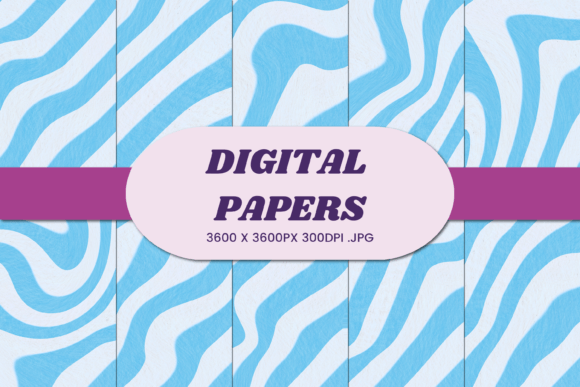
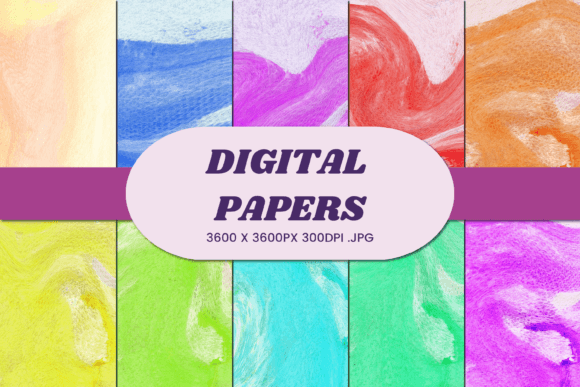
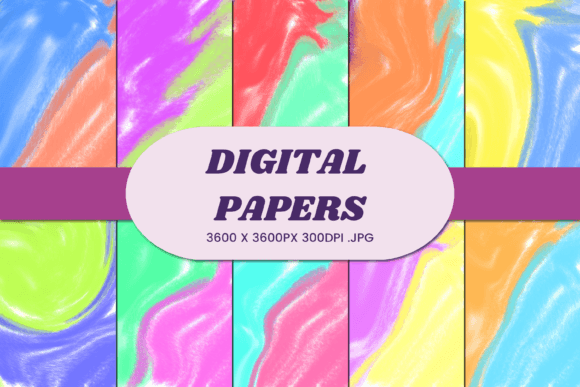
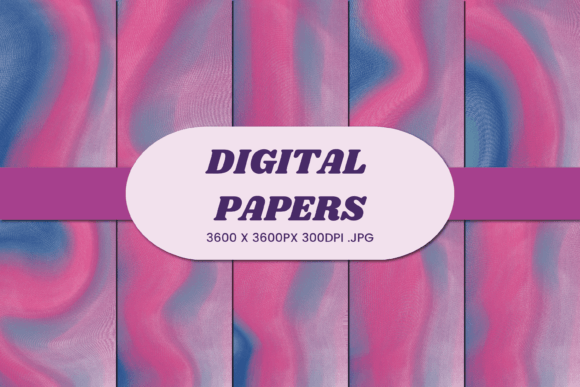
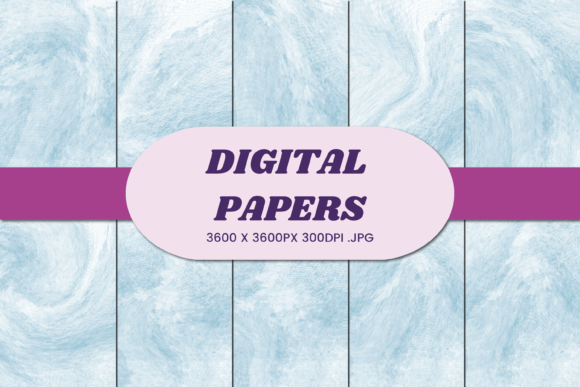
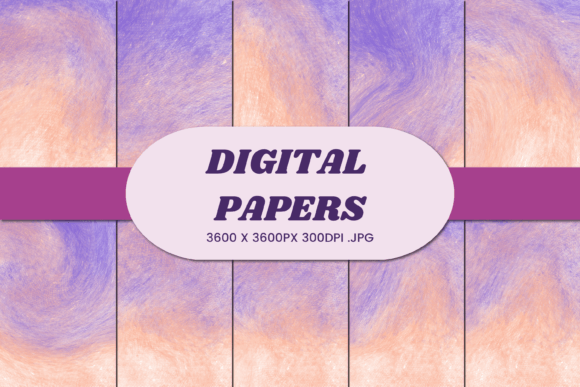
Before integrating any digital resource into a professional workflow, it is essential to understand its technical parameters. Abstract Canvas 5 Digital Paper is not merely an image file; it is a structured asset designed for precision. The package includes 10 JPG files, each rendered at a resolution of 3600×3600 pixels. In the context of digital design, particularly for print media, resolution is the primary determinant of clarity and professionalism.
The specification of 300 DPI (dots per inch) at a size of 12x12 inches indicates that these files are print-ready. This standard is non-negotiable for high-quality physical outputs. When a designer or entrepreneur selects a digital paper with lower resolution, such as 72 DPI (typical for web screens), the resulting print will appear pixelated, blurry, or unprofessional. By starting with a 300 DPI source, users eliminate the need for upscaling algorithms that often degrade image quality, thereby ensuring that the final product meets industry standards for sharpness and detail.
The abstract nature of the canvas provides a neutral yet sophisticated backdrop. Unlike busy patterns that compete with text or logos, abstract textures offer depth and visual interest without overwhelming the primary content. This makes them ideal for a wide array of use cases, from subtle backgrounds in social media graphics to textured surfaces on physical merchandise.
Strategic Use Cases Across Business and Creative Workflows
The versatility of Abstract Canvas 5 Digital Paper allows it to serve multiple roles within a single business ecosystem. Rather than treating it as a single-purpose item, savvy creators integrate it into various stages of their product lifecycle.
Print-on-Demand and Physical Product Creation
For entrepreneurs operating in the print-on-demand space, efficiency is key. The demand for unique, customizable products is high, but the barrier to entry is lowered by using pre-designed, high-resolution assets. Abstract Canvas 5 Digital Paper is specifically optimized for sublimation printing, a process where heat transfers dye onto materials like polyester, ceramics, and certain polymers.
- Apparel: When designing T-shirts or hoodies, the abstract texture adds a layer of sophistication that plain colors lack. It serves as a base upon which typography or graphic overlays can be placed, creating a cohesive design system.
- Drinkware and Home Goods: The 3600×3600 pixel resolution is particularly advantageous for 3D sublimation tumbler wraps and mug designs. These items require seamless wrapping capabilities. High-resolution files ensure that when the design is mapped onto the curved surface of a tumbler or mug, there is no loss of detail or jagged edges.
- Packaging and Branding: Small business owners often struggle with consistent branding across packaging. Using Abstract Canvas 5 Digital Paper for product boxes, envelopes, or gift tags ensures a uniform aesthetic that reinforces brand identity.
Digital Marketing and Social Media Content
In the realm of digital marketing, visual consistency drives engagement. Marketers and bloggers frequently need fresh backgrounds for Instagram posts, Pinterest pins, and YouTube thumbnails. Instead of creating new backgrounds for every post, which is time-consuming, users can utilize these 10 JPG files as templates.
By overlaying text, quotes, or promotional offers on top of the abstract canvas, creators can produce a week’s worth of content in a fraction of the time. The neutral tones of the abstract design allow text to remain legible and prominent, adhering to best practices in accessibility and user experience.
Educational and Personal Organization Tools
For educators and productivity-minded individuals, digital papers are increasingly used in the creation of printable resources. Teachers may create worksheets, lesson plan covers, or classroom decorations. Hobbyists might use these files for digital scrapbooking, wedding invitations, or custom stationery. The 12x12 inch format is a standard size in the scrapbooking community, making these files immediately compatible with popular design software and online planners.
Integration and Implementation Best Practices
Acquiring the asset is only the first step. To maximize value, users must integrate Abstract Canvas 5 Digital Paper into their existing tools and workflows effectively. This section outlines practical strategies for preparation, compatibility, and organization.
Software Compatibility and File Management
The files are provided in JPG format, which ensures broad compatibility across almost all design software, including Adobe Photoshop, Illustrator, Canva, GIMP, and Affinity Designer. However, to maintain the integrity of the 300 DPI resolution, users should avoid compressing the files excessively during export. When importing these images into design programs, always check the image properties to confirm that the resolution has not been altered.
Organization Tip: Create a dedicated folder structure on your computer labeled "Digital Assets" or "Backgrounds." Within this, create a subfolder for Abstract Canvas 5. Naming conventions matter; instead of "image1.jpg," rename files to describe their color palette or texture type (e.g., "Abstract_Canvas_5_Gray_Textured.jpg"). This simple organizational habit saves significant time during the search phase of a project.
Design Layering Techniques
To leverage the full potential of the abstract canvas, treat it as a background layer rather than the focal point. In design software, place the JPG file at the bottom of your layer stack. Then, add your primary content—logos, text, illustrations—on layers above it. Adjust the opacity of the canvas if necessary to ensure contrast with foreground elements. This technique prevents the design from looking cluttered and directs the viewer’s eye to the most important information.
For complex projects, such as a 3D tumbler wrap, use the canvas as a texture map. Most 3D modeling or mockup software allows you to apply a 2D image to a 3D object. Ensure that the aspect ratio of the canvas matches the dimensions required by your mockup template. If the template requires a rectangular wrap, you may need to crop the square 12x12 inch canvas appropriately, keeping the central high-detail area intact.
Quality Control and Consistency Checks
Before sending any file to a printer or publishing it online, perform a rigorous quality check. Zoom in to 100% view to inspect for artifacts, blurriness, or color banding. If you are using the file for sublimation, verify that the color profile (CMYK vs. RGB) matches the requirements of your printing service. While JPGs are typically sRGB, professional printers often request CMYK conversions. Converting too early can result in duller colors, so it is best practice to keep the original high-res RGB file and convert only the final export for print.
Long-Term Value and Scalability
Investing in high-quality digital assets like Abstract Canvas 5 Digital Paper contributes to the long-term scalability of a creative business. As a business grows, the volume of content produced increases. Relying on generic, low-quality free stock images becomes unsustainable due to licensing issues and lack of uniqueness. Proprietary or premium assets provide a distinct brand voice.
Furthermore, having a library of pre-approved, high-resolution backgrounds reduces decision fatigue. When a client requests a rush order for business cards or a last-minute social media campaign, having ready-to-use assets allows for rapid response times. This agility is a significant advantage in fast-paced markets.
Conclusion
Abstract Canvas 5 Digital Paper is more than just a collection of images; it is a functional component of a streamlined creative workflow. By providing high-resolution, print-ready assets, it enables professionals and hobbyists to produce high-quality physical and digital products efficiently. Whether used for sublimation wraps, social media backgrounds, or educational printables, the key to success lies in proper integration, file management, and adherence to technical standards. By adopting the practical strategies outlined above, users can transform this digital asset into a powerful tool for growth, creativity, and professional excellence.