Juneteenth Cap Boy: A Practical Guide to Integrating Versatile Digital Assets into Your Creative Workflow
In the landscape of digital design and small business operations, efficiency is not merely a luxury; it is a operational necessity. For creators, entrepreneurs, and educators managing diverse projects—from holiday-themed merchandise to educational materials—the ability to quickly adapt high-quality assets into tangible outputs can significantly impact productivity. One such asset gaining traction in the crafting and print-on-demand communities is Juneteenth Cap Boy. This design is specifically engineered for compatibility with popular cutting machines like Cricut and Silhouette, offering a streamlined solution for generating professional-grade prints across multiple mediums.
Understanding how to integrate Juneteenth Cap Boy into your existing workflow requires more than just downloading a file. It involves understanding file formats, material compatibility, and the specific use cases that maximize the value of this digital product. Whether you are producing limited-edition clothing, creating personalized stationery, or designing promotional materials for community events, this guide outlines the practical steps to ensure seamless implementation.
File Format Compatibility and Technical Preparation
The foundation of any successful printing project lies in the technical integrity of the source files. The Juneteenth Cap Boy package is comprehensive, providing a variety of formats to accommodate different software environments and hardware capabilities. Before initiating any design work, it is crucial to verify that your tools can interpret these files correctly.
- SVG Files (2 included): These are vector-based files, making them ideal for cutting machines. They allow for infinite scaling without loss of quality, which is essential when resizing designs for large banners or small stickers.
- PNG Files (2 included): With transparent backgrounds, PNGs are perfect for heat transfer vinyl (HTV) applications where layering precision is required. They also serve well for direct-to-film printing workflows.
- JPEG Files (2 included): While raster-based, these provide a quick preview option and are suitable for standard inkjet printing on paper or cardstock.
- EPS Files (2 included): Compatible with Adobe Illustrator and other advanced vector software, EPS files offer robust editing capabilities for professional designers who need to modify text or graphic elements before production.
- DXF File (1 included): Primarily used by Silhouette Studio and other CAD-related cutting software, ensuring broad hardware compatibility.
To manage these assets efficiently, users must utilize a zip extraction program. Proper organization of these files within a dedicated project folder prevents version control issues and ensures that the correct format is selected for the intended output method. Neglecting this step often leads to compatibility errors during the cutting or printing phase, resulting in wasted materials and time.
Integration into Production Workflows
The versatility of Juneteenth Cap Boy allows it to fit into various stages of a creative or business process. Its utility extends beyond simple decoration; it serves as a functional component in broader marketing and operational strategies.
Clothing and Apparel Manufacturing
For small business owners and hobbyists involved in apparel production, the HTV-compatible nature of the PNG and SVG files is particularly valuable. When preparing designs for t-shirts, caps, or tote bags, consistency in color matching and alignment is critical. The clean lines of the vector files ensure that the cut edges are precise, reducing the need for post-production trimming.
Implementing this design into an apparel workflow involves several key considerations:
- Material Selection: Choose heat transfer vinyl that complements the fabric type. Cotton blends typically respond best to standard HTV, while polyester may require specialized high-stretch variants.
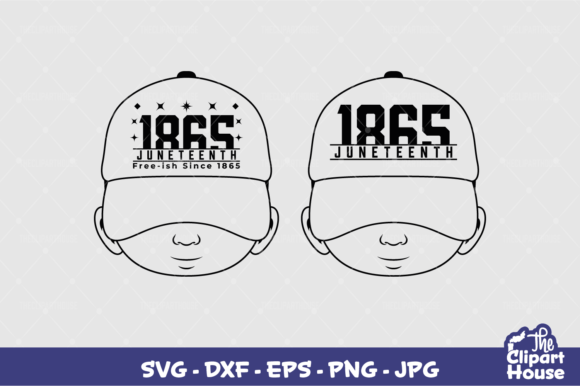
- Weeding Process: The detailed nature of the design requires careful weeding. Using a sharp hook tool and adequate lighting minimizes errors and preserves the integrity of the fine details in the "Cap Boy" graphic.
- Press Settings: Adhere strictly to the temperature, time, and pressure guidelines recommended by your vinyl manufacturer. Inconsistent pressing is a common cause of peeling or cracking, which undermines the professional appearance of the final product.
Stationery, Invitations, and Business Materials
Beyond apparel, Juneteenth Cap Boy offers significant utility for office supply management and event planning. Educators, bloggers, and marketers can leverage the JPEG and PNG formats to create cohesive branding for invitations, business cards, and website graphics.
When integrating this design into stationery workflows, focus on visual hierarchy. The graphic can serve as a central focal point on invitation cards or as a subtle watermark on letterheads. For digital publications, the transparent background of the PNG files allows for seamless overlay onto varied color schemes, maintaining brand consistency across platforms. This adaptability reduces the need for custom graphic design from scratch, allowing professionals to allocate more time to content creation and strategy.
Stickers and Promotional Merchandise
The sticker market is highly competitive, requiring both speed and quality. The DXF and SVG files facilitate rapid prototyping and production using vinyl cutters. By exporting the design directly to cutting software, users can batch-produce stickers with minimal manual intervention.
Efficiency in sticker production relies on nesting designs—arranging multiple instances of the graphic on a single sheet of vinyl to minimize waste. The vector nature of the SVG files makes this process straightforward, as the software can automatically calculate optimal placement. Additionally, applying a laminate layer over the printed or cut stickers protects them from UV fading and moisture, extending their lifespan and perceived value.
Quality Control and Long-Term Usability
Successful implementation of digital assets requires rigorous quality control measures. Before committing to a full production run, always perform a test print or cut. This step identifies potential issues with scaling, color separation, or machine calibration that might not be apparent on a screen.
Furthermore, consider the long-term usability of the files. Storing the original Juneteenth Cap Boy files in a cloud-based backup system ensures accessibility across devices and protects against data loss. As trends evolve, having the source files allows for future modifications, such as updating text dates or adjusting colors to match new brand palettes. This flexibility transforms a one-time purchase into a reusable asset library, enhancing return on investment over time.
Conclusion on Practical Application
The value of Juneteenth Cap Boy lies not just in its aesthetic appeal but in its structural readiness for professional execution. By understanding the nuances of each file format and aligning them with appropriate production methods, users can streamline their creative processes. Whether producing physical goods for sale, internal communications for a team, or personal keepsakes, the integration of this versatile design supports a workflow that is efficient, consistent, and scalable. Prioritizing preparation, compatibility, and quality control ensures that every output meets the highest standards of craftsmanship.