Celebrating Identity and Creativity: How LGBT Afro Love Designs Transform Digital Art into Tangible Reality
In the vibrant landscape of modern digital creativity, few intersections are as powerful or visually striking as the combination of cultural pride, identity affirmation, and craft technology. For creators who use cutting machines like Cricut and Silhouette, the ability to produce custom designs is not just a hobby—it is a form of self-expression and community building. Among the most resonant themes in this space is LGBT Afro Love, a design category that celebrates the intersection of African heritage and LGBTQ+ identity. This article explores what these designs entail, why they matter, how they can be utilized across various mediums, and the practical steps involved in bringing them to life using personal crafting tools.
Understanding the Intersection of Culture and Identity
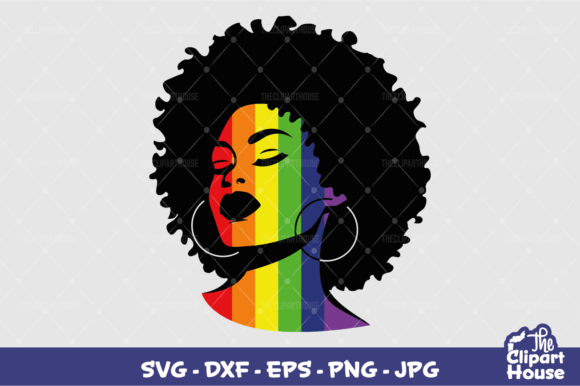
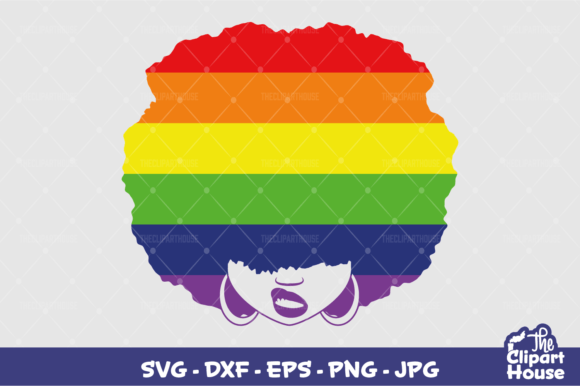
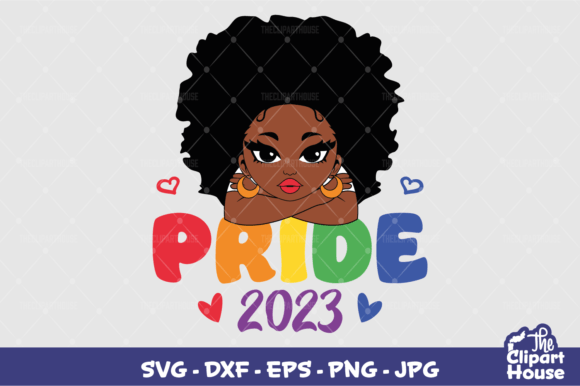
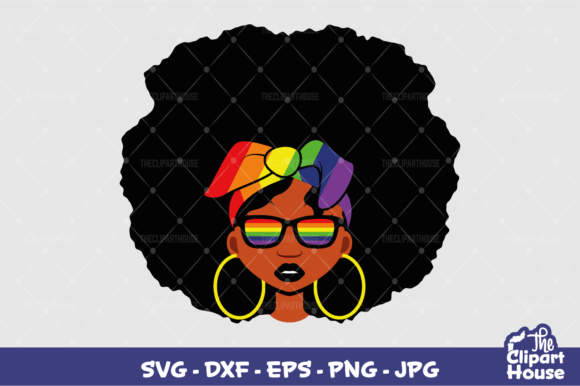
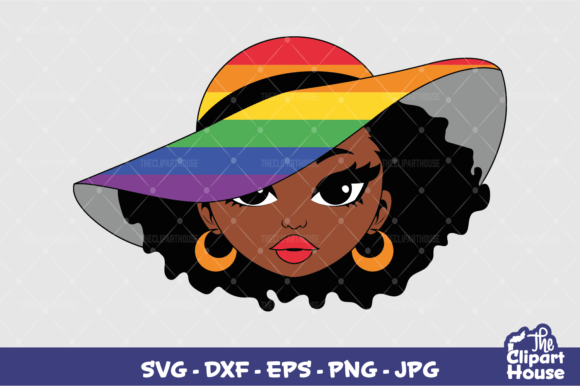
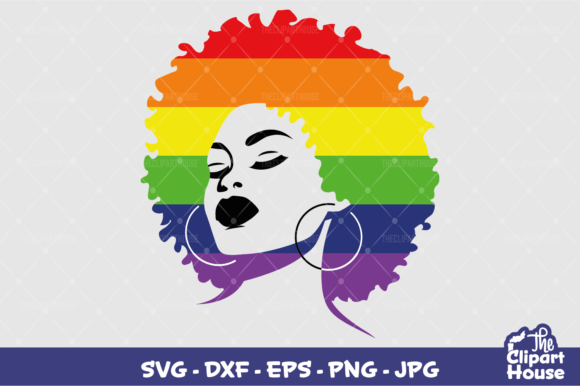
The term "LGBT Afro Love" represents more than just a graphic; it is a statement of visibility. Historically, narratives surrounding both Black culture and LGBTQ+ communities have often been marginalized or separated in mainstream media. Design files that merge these identities serve a crucial purpose: they validate the existence and beauty of individuals who exist at this crossroads. These designs often feature rich color palettes, symbolic imagery such as Afros, braids, or traditional patterns blended with rainbow motifs or pride symbols, and typography that emphasizes unity and joy.
For the general audience, understanding this context is vital. It moves the conversation from mere aesthetics to social significance. When a creator chooses to print an LGBT Afro Love design, they are participating in a broader movement of representation. Whether for a personal project or a small business venture, these designs carry emotional weight and cultural relevance, making them highly sought after by communities looking to see themselves reflected in their daily surroundings.
The Power of Digital Craft Technology
One of the most exciting developments in recent years is the democratization of design through cutting machines. Devices like the Cricut Explore, Cricut Maker, Silhouette Cameo, and Silhouette Portrait have allowed everyday people to become professional-grade designers. These machines read digital vector files and cut materials ranging from vinyl and iron-on heat transfer sheets to cardstock and fabric.
This technology bridges the gap between complex graphic design software and physical production. You no longer need to be a master printer to create high-quality stickers, t-shirts, or decals. With the right file format and material, you can replicate professional results at home. This accessibility has fueled a boom in the "maker economy," where individuals sell handmade goods online, attend craft fairs, or simply customize their homes and wardrobes with unique, meaningful art.
Versatility in Application: From Clothing to Business Branding
One of the primary advantages of owning downloadable design files is their versatility. A single LGBT Afro Love design can be adapted for numerous applications, depending on the material chosen and the intended use. Below are some common ways creators utilize these assets:
- Apparel and Fashion: Using heat transfer vinyl (HTV) or iron-on transfers, these designs can be applied to t-shirts, hoodies, tote bags, and hats. This is particularly popular for Pride Month events, cultural celebrations, or everyday wear that sparks conversation.
- Stationery and Invitations: By printing on sticker paper or cardstock, these designs can transform wedding invitations, baby shower cards, or party favors. The inclusive nature of the artwork makes it perfect for diverse celebrations.
- Home Decor: Vinyl decals can be placed on windows, laptops, water bottles, or mirrors. This allows for subtle yet proud displays of identity and support.
- Small Business Branding: Entrepreneurs in the beauty, fashion, or wellness industries serving the Afro-LGBTQ+ community can use these designs for business cards, packaging labels, and website headers to build brand cohesion and trust.
- Jewelry and Accessories: Smaller elements of the design can be cut into acrylic shapes or used as stencils for painting on jewelry boxes and cosmetic cases.
The key to success lies in matching the design complexity with the right material. Intricate line work may require high-quality vinyl and precise weeding techniques, while bold graphic styles might look stunning when printed directly onto fabric.
File Formats and Technical Requirements
To ensure your designs cut correctly and look professional, file compatibility is paramount. Cutting machines rely on specific file formats that contain vector data—mathematical instructions for lines and curves—rather than pixel-based images. However, raster images are also useful for printing purposes.
When purchasing or downloading a design pack, you will typically receive a comprehensive suite of files to accommodate different workflows. Here is a breakdown of the standard formats included in premium design bundles:
- SVG (Scalable Vector Graphics): This is the gold standard for Cricut and Silhouette users. SVGs allow you to resize the design without losing quality. They are editable within design software like Cricut Design Space, Silhouette Studio, or Adobe Illustrator, enabling you to change colors, combine elements, or adjust sizes before cutting.
- PNG (Portable Network Graphics): PNG files are high-resolution raster images with transparent backgrounds. They are ideal for printing on sticker paper or using in digital design projects where vector editing is not required. Ensure the PNG is 300 DPI for crisp printing results.
- JPEG (Joint Photographic Experts Group): Similar to PNG but usually with a white background, JPEGs are widely compatible and useful for quick previews or basic printing tasks.
- EPS (Encapsulated PostScript): Often used in professional graphic design software like Adobe Illustrator, EPS files provide another vector option for advanced users who need precise control over paths and nodes.
- DXF (Drawing Exchange Format): Primarily used in CAD software and some cutting machine programs, DXF files are essential if you plan to use specialized engineering or industrial cutting tools alongside your craft machine.
Note: To access these files, you will likely need a zip extraction program such as WinRAR, 7-Zip, or the built-in extractor in Windows and macOS. Always unzip the folder before attempting to upload the files to your cutting machine’s software.
Legal Considerations and Usage Rights
As with all digital products, understanding the licensing terms is critical to avoid legal issues and respect the intellectual property of the creator. Most independent designers and shops, such as The Clipart House, operate under specific terms of use that balance creative freedom with protection against piracy.
Generally, these licenses fall into two categories:
Personal Use
You are free to create items for yourself, your family, and friends. This includes making a t-shirt for your child, a sticker for your laptop, or decorations for a birthday party. There are no restrictions on how many personal items you make.
Limited Commercial Use
Many design packs allow for a "small business" license. This permits you to sell physical items made from the design (e.g., selling 50 shirts featuring the LGBT Afro Love graphic). However, there are strict boundaries:
- No Resale of Files: You cannot sell, share, or redistribute the original digital files (SVG, PNG, etc.). Doing so violates copyright law and undermines the designer’s livelihood.
- Unlimited Physical Sales: Depending on the specific license, you may be allowed to sell an unlimited number of physical products, or there may be caps on quantity.
- No Merchandise on Demand: Some licenses prohibit uploading designs to Print-on-Demand platforms unless explicitly stated otherwise.
Always read the provided Terms of Use document carefully. If you plan to scale your business significantly, consider upgrading to an extended commercial license if available. Remember, the content remains the property of the creator, and ethical usage fosters a healthy creative ecosystem.
Getting Started: Best Practices for Beginners
If you are new to using cutting machines with these types of designs, start small. Experiment with different materials to see how the ink holds up or how the vinyl adheres. Practice "weeding"—the process of removing excess vinyl from around your design—to ensure clean edges. Test your settings on scrap material first to adjust pressure and speed.
Furthermore, embrace the community aspect. Share your creations on social media using relevant hashtags. Connecting with other makers who appreciate LGBT Afro Love designs can provide inspiration, troubleshooting tips, and a sense of belonging. Whether you are designing for fun or profit, these projects offer a meaningful way to celebrate diversity and creativity.
Conclusion
The fusion of LGBT Afro Love themes with accessible cutting technology represents a powerful trend in contemporary craft. It empowers individuals to create tangible expressions of identity and solidarity. By understanding the technical aspects of file formats, respecting usage rights, and exploring diverse application methods, you can fully leverage these resources. Whether you are decorating your home, launching a boutique brand, or simply creating a gift for a loved one, these designs offer a canvas for connection, pride, and artistic expression. Embrace the tools, honor the source, and let your creativity shine.