The Strategic Advantage of Integrating 3D Abstract Digital Paper Backgrounds into Modern Design Workflows
In the rapidly evolving landscape of digital content creation, visual hierarchy and tactile texture have become paramount. As professionals, creators, and entrepreneurs seek to differentiate their brands in an increasingly saturated market, the demand for high-fidelity, immersive design elements has surged. This shift is not merely aesthetic; it reflects a deeper consumer desire for authenticity and depth in digital interactions. At the forefront of this trend is the utilization of 3D Abstract Digital Paper Backgrounds, a versatile asset class that bridges the gap between traditional craftsmanship and cutting-edge digital production.
For graphic designers, marketers, and DIY enthusiasts alike, the ability to instantly access high-resolution, textured backgrounds offers a significant competitive edge. These assets are no longer just decorative fillers; they are foundational components of brand identity, user experience (UX) design, and physical product manufacturing. By understanding the utility and application of these digital papers, creative professionals can streamline their workflows while delivering premium-quality results that resonate with modern audiences.
Redefining Texture in a Digital-First Economy
The concept of "digital paper" might sound archaic, yet its application in contemporary design is anything but obsolete. Traditional paper textures evoke nostalgia, trust, and human touch—qualities that are often lost in flat, vector-based designs. 3D Abstract Digital Paper Backgrounds take this concept further by introducing depth, lighting effects, and complex geometric structures that mimic real-world materials without the logistical constraints of physical sourcing.
This technology aligns seamlessly with the broader industry trend toward "sensory design." Consumers are accustomed to high-definition visuals on smartphones and tablets; they expect websites, social media banners, and printed collateral to feel tangible. A flat background feels sterile, whereas a 3D abstract paper background introduces shadows, folds, and material imperfections that guide the eye and create a subconscious sense of quality. For businesses, this translates to higher engagement rates and improved perceived value of products or services.
Moreover, the abstraction in these designs allows for universal appeal. Unlike realistic photographs that may date quickly or carry specific cultural connotations, abstract 3D forms remain timeless. They provide a neutral yet sophisticated canvas upon which logos, text, and key messaging can stand out clearly. This balance between complexity and clarity is crucial for effective communication in marketing materials.
Bridging the Gap Between Physical and Digital Creation
One of the most compelling aspects of using 3D Abstract Digital Paper Backgrounds is their dual applicability across both digital and physical mediums. In an era where omnichannel presence is essential, consistency in branding is non-negotiable. A designer working on a website header needs the same visual language as the one designing packaging for a physical product launch.
Consider the workflow of a small business owner launching a new line of handmade stationery. Traditionally, creating unique backgrounds would require hiring a photographer or spending hours manipulating textures in software like Photoshop. With a pre-made set of high-resolution digital papers, the entrepreneur can apply these textures directly to their designs, ensuring that their business cards, invitations, and social media posts share a cohesive aesthetic. This efficiency allows creators to focus more on strategy and less on technical execution.
The versatility extends to industries far beyond simple print. Jewelry designers use these backgrounds to simulate luxury displays, enhancing the visual weight of metallic and gemstone products. Furniture decorators utilize the patterns for mockups, allowing clients to visualize how a new finish might look on a surface before committing to paint or veneer. Even in web development, these images serve as excellent hero sections that load faster than heavy video backgrounds while maintaining visual impact.
Practical Applications Across Diverse Industries
The utility of these digital assets is vast, catering to a wide array of professional and personal projects. Below are several key areas where 3D Abstract Digital Paper Backgrounds are making a tangible difference:
- Graphic Design & Branding: Creating distinctive logos, business cards, and corporate identities. The abstract nature ensures the background complements rather than competes with the primary logo mark.
- Event Planning & Stationery: Designing elegant invitations, place cards, and wedding suites. The 3D effect adds a layer of sophistication that mimics embossed or foil-stamped paper, elevating the perceived cost of the event materials.
- Social Media Marketing: Crafting engaging Instagram stories, Facebook covers, and LinkedIn banners. High-resolution formats ensure crisp display on retina screens, capturing attention in crowded feeds.
- Product Packaging: Developing mockups for retail boxes, labels, and wrapping paper. Brands can test various colorways and textures digitally before printing physical prototypes, reducing waste and costs.
- Crafts & Scrapbooking: Empowering hobbyists to create custom planner stickers, decoupage art, and decorated journals. The ease of use democratizes professional-looking design for non-professionals.
- Publishing & Editorial: Providing chapter headers, book cover backgrounds, and journal hardcovers that invite the reader to engage physically with the content.
Technical Specifications and Workflow Efficiency
For professionals who prioritize precision, the technical specifications of digital assets are just as important as their aesthetic qualities. The standardization of file formats and resolutions plays a critical role in seamless integration into existing design pipelines. The current generation of 3D Abstract Digital Paper Backgrounds addresses these needs through robust technical delivery systems.
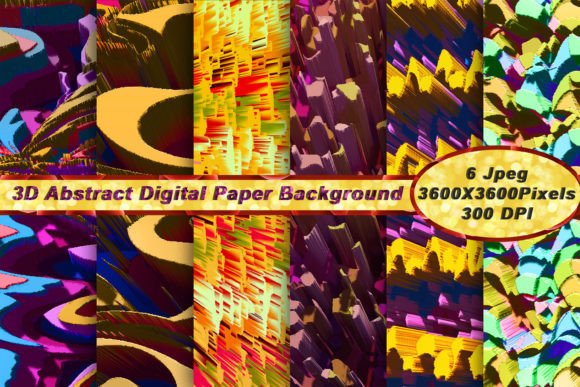
Typically, these packs contain 6 distinct high-resolution images, providing enough variety for a complete campaign or project series without overwhelming the user with redundant options. Each image is delivered in the universally compatible JPEG format, ensuring that they can be opened and edited in any major design software, from Adobe Creative Cloud to free online editors like Canva or GIMP.
A critical feature for modern creatives is resolution. The inclusion of 3600×3600 pixels per image is a significant advantage. This square format is ideal for social media platforms, which favor vertical and square aspect ratios. Furthermore, the high pixel count ensures that the images can be scaled down for web use or zoomed in for large-format printing without losing detail. Whether you are designing a tiny planner sticker or a large banner for a trade show booth, the resolution remains sufficient to maintain sharpness.
To facilitate easy distribution and storage, these files are compressed into a single ZIP file. This method protects the integrity of the files during download and keeps the user’s downloads folder organized. Extracting the files is straightforward: a direct double-click on the ZIP archive initiates the extraction process, instantly making all six backgrounds available for immediate use. This frictionless access respects the creator's time, allowing them to move from concept to completion with minimal interruption.
Meeting Evolving Consumer Expectations
Why are consumers and businesses paying such close attention to these seemingly niche assets? The answer lies in the changing expectations of digital consumption. We live in an age of instant gratification and visual abundance. Users scroll through hundreds of images daily, developing a short attention span. To break through this noise, designs must offer immediate visual interest.
Abstract 3D backgrounds provide this interest through complexity and depth. They signal to the viewer that care has been taken in the presentation. For freelancers and agencies, offering designs that incorporate these advanced textures can be a differentiator in pitches and proposals. It demonstrates an awareness of current design trends and a commitment to producing high-end work.
Additionally, the sustainability angle cannot be ignored. By using digital mockups and virtual backgrounds, businesses can reduce the need for physical prototyping. Instead of printing dozens of variations of a package design to test colors and textures, designers can apply the 3D Abstract Digital Paper Backgrounds to their mockups virtually. This approach supports eco-friendly practices by minimizing paper waste and shipping emissions associated with physical samples.
Conclusion: Investing in Visual Quality
The integration of 3D Abstract Digital Paper Backgrounds into your creative toolkit is more than a stylistic choice; it is a strategic decision that enhances efficiency, quality, and market relevance. Whether you are a seasoned graphic designer looking to elevate your portfolio, a marketer aiming to boost engagement, or a craft enthusiast seeking professional-grade results, these assets offer immense value.
By leveraging high-resolution, versatile, and aesthetically pleasing digital papers, you align your work with the demands of the modern digital economy. You create experiences that are not only seen but felt. As the boundary between the physical and digital worlds continues to blur, having access to tools that bridge this gap will remain a vital component of successful creative practice. Embrace these resources to unlock new levels of creativity and professionalism in your projects.