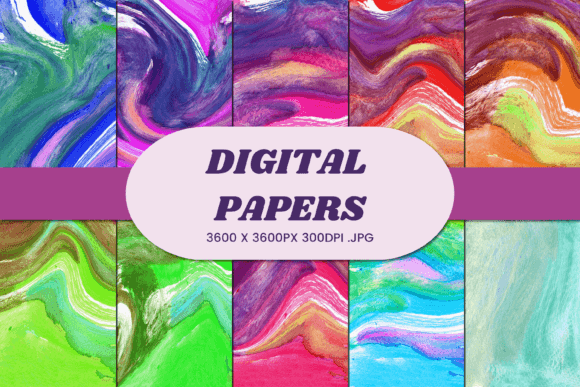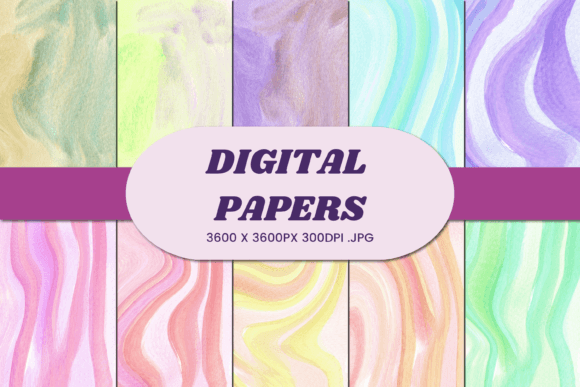
Abstract Watercolor 97 Digital Paper
In the modern digital creative economy, the distinction between physical craft and digital design has blurred significantly. For entrepreneurs, freelancers, and content creators, the ability to produce high-quality visual assets efficiently is no longer just a luxury—it is a operational necessity. This is where specialized digital resources, such as Abstract Watercolor 97 Digital Paper, transition from simple aesthetic choices into functional tools that streamline production workflows. Understanding how to integrate these assets into your business process requires looking beyond their visual appeal and examining their technical specifications, compatibility, and strategic application across multiple product lines.
Defining the Asset in a Production Context
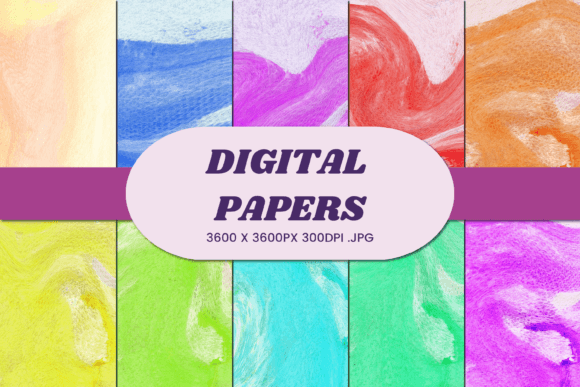
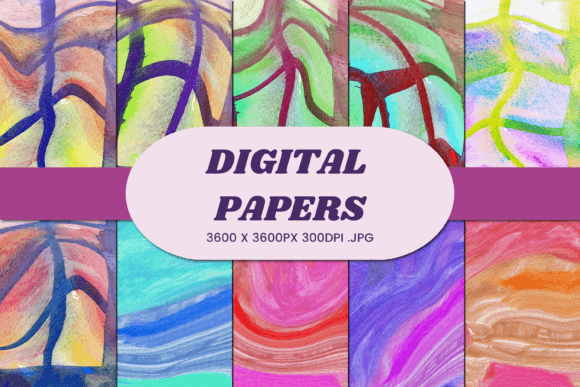
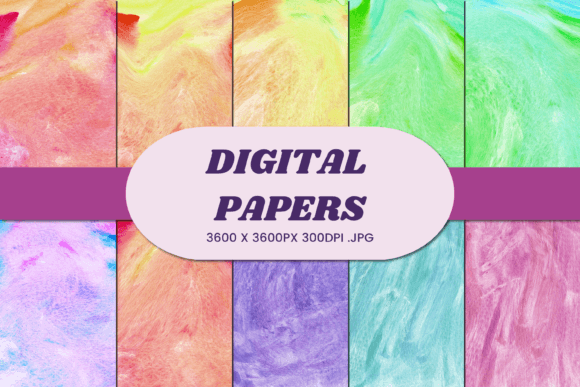
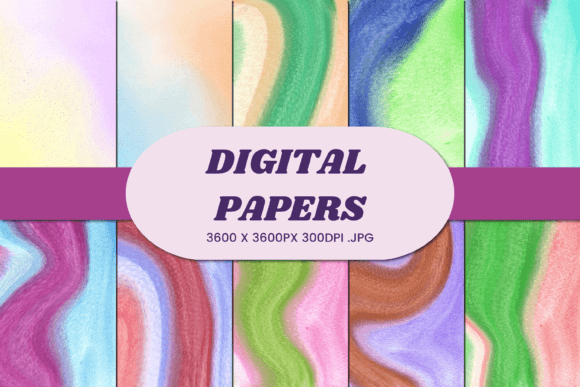
Abstract Watercolor 97 Digital Paper is not merely an image; it is a standardized resource designed for commercial and personal utility. At its core, it consists of ten high-resolution JPG files, each sized at 3600×3600 pixels, which translates precisely to a 12x12 inch format at a resolution of 300 DPI. In professional printing and digital design workflows, these metrics are critical. The 300 DPI standard ensures that when the asset is scaled or printed, it retains clarity without pixelation, making it suitable for both small-format items like business cards and large-format applications like wall art or textile wraps.
The "Abstract Watercolor" style offers a unique value proposition in branding and design. Unlike rigid geometric patterns or photographic textures, abstract watercolor provides organic flow, soft edges, and natural color gradients. This aesthetic versatility allows it to fit seamlessly into diverse brand identities, from wellness and lifestyle brands to educational materials and artisanal product packaging. By utilizing a pre-made digital paper, creators bypass the time-intensive process of generating original textures from scratch, allowing them to focus on layout, typography, and strategic messaging.
Strategic Integration Across Product Lines
One of the most efficient ways to leverage Abstract Watercolor 97 Digital Paper is through cross-platform consistency. For small business owners and Etsy sellers, maintaining a cohesive visual identity across different touchpoints builds trust and recognition. This digital paper serves as a unifying element that can be applied before, during, and after the initial design phase.
Physical Product Manufacturing
In the realm of Print-on-Demand (POD) and direct-to-garment printing, preparation is key. The 12x12 inch size of the files makes them ideal for t-shirt designs, stickers, and mugs. When integrating this asset into your manufacturing workflow, consider the following:
- Sublimation Compatibility: The vibrant nature of abstract watercolors translates exceptionally well to sublimation printing. Whether you are creating 3d sublimation tumbler wraps or custom pillows, the file’s high resolution ensures that colors remain vivid and gradients smooth after the heat-transfer process.
- Textile Applications: For blankets and fabric-based products, the organic texture of the watercolor mimics natural dyeing techniques. This adds perceived value to the product, allowing you to position items as premium or handcrafted, even if they are digitally produced.
- Packaging Design: Use the digital paper as a background for product boxes or shipping inserts. A consistent use of this texture across your packaging reinforces brand identity and enhances the unboxing experience, which is crucial for customer retention.
Digital Content and Social Media
Beyond physical goods, Abstract Watercolor 97 Digital Paper plays a vital role in digital marketing strategies. Social media algorithms favor visually engaging content, and static images with textured backgrounds often outperform plain color blocks.
- Social Media Graphics: Use the 3600×3600 pixel dimensions to create square posts for Instagram or Pinterest. Overlay text for quotes, announcements, or promotional offers. The abstract nature of the background ensures that text remains legible while adding artistic flair.
- Website and Blog Headers: While the 12x12 inch size is square, the texture can be cropped or tiled to create headers, sidebars, or section dividers on your website. It adds depth to web design without requiring heavy coding or complex CSS gradients.
- Digital Downloads: Create printable planners, journal pages, or wall art using these papers. Since the files are already high-resolution, you can sell them directly as digital products, creating a passive income stream with minimal additional effort.
Workflow Optimization and Technical Considerations
Integrating digital assets into a daily workflow requires attention to detail regarding file management and software compatibility. To maximize efficiency, follow these practical steps when incorporating Abstract Watercolor 97 Digital Paper into your projects.
Preparation and Organization
Before beginning any design project, organize your asset library. Since the package includes ten distinct JPG files, categorize them by color palette or intensity. If you are working on a specific brand campaign, isolate the five files that best match your brand’s color scheme. This reduces decision fatigue during the design phase. Ensure your operating system recognizes the files as high-resolution assets by verifying the metadata. Most graphic design software, including Adobe Photoshop, Illustrator, and Canva, will automatically detect the 300 DPI resolution, but confirming this prevents accidental downscaling during export.
Design Implementation Techniques
When applying the digital paper to your designs, consider layering and blending modes to enhance depth. In Photoshop, setting the watercolor layer to "Multiply" or "Overlay" can help it interact naturally with underlying elements. For simpler tools like Canva or Microsoft Publisher, simply placing the image as a background and adjusting opacity can create subtle effects. Remember that because the files are 12x12 inches, they may need to be resized for smaller items like phone cases or business cards. Always resize within your design software rather than compressing the file externally to maintain quality.
Quality Control and Export Settings
Consistency is paramount in professional output. Before finalizing any product listing or print run, perform a quality check. Zoom in to 100% on your screen to inspect for any artifacts or blurriness. When exporting for web use, convert the RGB color profile to ensure accurate screen representation. For print, verify that the color mode matches your printer’s requirements, though modern home and commercial printers generally handle RGB JPGs well. Keep a master copy of the original 300 DPI files untouched, so you can always re-export new variations without losing quality.
Long-Term Value and Scalability
The true power of Abstract Watercolor 97 Digital Paper lies in its scalability. As your business grows, the demand for fresh content increases. Having a reliable library of high-quality textures allows you to scale production without sacrificing aesthetic standards. You can rotate through the ten included files to keep your social media feed dynamic, ensuring that customers see varied yet consistent imagery. Furthermore, these assets are evergreen. Trends in abstract art and watercolor aesthetics tend to persist, meaning these files remain relevant for years, providing long-term ROI on a single purchase.
For educators and bloggers, these papers can enhance instructional materials. Embedding them in PDF guides, course modules, or presentation slides adds a professional polish that engages learners. For hobbyists, the ease of use lowers the barrier to entry for complex-looking crafts, encouraging experimentation and creativity.
Conclusion
Integrating Abstract Watercolor 97 Digital Paper into your workflow is more than just adding pretty backgrounds; it is a strategic decision to enhance efficiency, consistency, and quality. By understanding the technical specifications—such as the 300 DPI resolution and 12x12 inch dimensions—and applying them thoughtfully across physical and digital platforms, you can elevate your brand presence. Whether you are wrapping tumblers, designing book covers, or crafting social media graphics, these assets provide a versatile foundation that supports both creative expression and business growth. Treat them as essential components of your production pipeline, and you will find that they save time, reduce errors, and deliver superior results consistently.